.png)
Smart Strategies for Choosing Home Gym Equipment Choices
Choosing the right home gym equipment can be overwhelming. There are many options, and each piece serves a different purpose. I focus on practical strategies to help you make smart decisions. This guide covers key factors to consider, helping you build a functional and efficient workout space.
Assess Your Fitness Goals and Space
Before buying any equipment, I start by defining my fitness goals. Are you aiming to build strength, improve cardio, or increase flexibility? Your goals determine the type of equipment you need.
Next, I measure the available space. Home gym equipment varies in size. Some machines require a dedicated room, while others fit in small corners. Knowing your space limits helps avoid buying bulky items that won’t fit.
For strength training: Dumbbells, kettlebells, resistance bands, or a compact weight bench.
For cardio: Treadmills, stationary bikes, or jump ropes.
For flexibility and recovery: Yoga mats, foam rollers, or stretching straps.
I also consider the layout. Equipment should be arranged to allow safe movement and easy access.

Prioritize Quality and Durability
Fitness equipment is an investment. I look for durable materials and solid construction. Cheap equipment may save money upfront but often breaks or wears out quickly.
Here are some tips to ensure quality:
Check the frame material. Steel frames last longer than plastic.
Look for equipment with good weight capacity.
Read reviews focusing on durability and warranty.
Test equipment if possible to assess stability and comfort.
For commercial use or heavy daily workouts, I choose commercial-grade equipment. It withstands frequent use and reduces maintenance costs.
Consider Your Budget and Value
Budget is a major factor. I set a clear spending limit before shopping. This helps narrow down options and avoid impulse buys.
However, I focus on value, not just price. Sometimes spending a bit more upfront saves money later on repairs or replacements.
To maximize value:
Prioritize essential equipment that matches your goals.
Look for multi-functional machines that save space and money.
Consider buying used equipment from reputable sources.
Factor in delivery, assembly, and maintenance costs.
I also explore fitness equipment solutions that offer affordable, high-quality gear with reliable service. This helps me find the best deals without compromising quality.
Evaluate Features and Technology
Modern fitness equipment often includes features that enhance workouts. I assess which features add real value to my routine.
Some useful features include:
Adjustable resistance levels for progressive training.
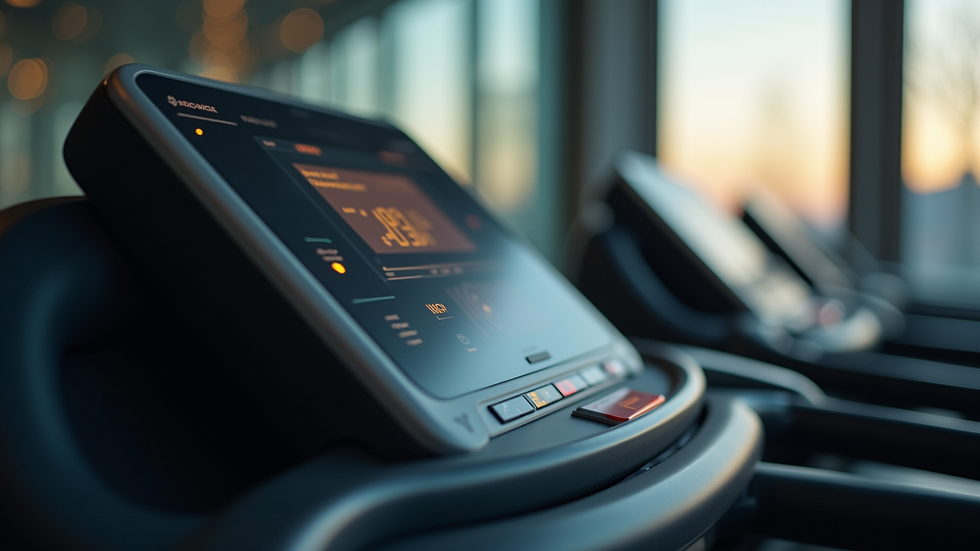
Digital displays showing time, distance, calories, or heart rate.
Connectivity with fitness apps for tracking progress.
Foldable or compact designs for easy storage.
I avoid overly complex machines with features I won’t use. Simplicity often leads to better consistency and fewer distractions.
Plan for Maintenance and Safety
Maintaining equipment extends its life and ensures safety. I check the maintenance requirements before purchase.
Look for equipment with easy-to-clean surfaces.
Choose machines with accessible parts for repairs.
Follow manufacturer guidelines for lubrication and inspections.
Safety is critical. I verify that equipment has non-slip grips, stable bases, and safety locks. For machines like treadmills, emergency stop features are essential.
Final Thoughts on Home Gym Equipment Choices
Choosing the right home gym equipment requires careful planning. I focus on goals, space, quality, budget, features, and maintenance. This approach helps me build a gym that fits my needs and lasts.
By following these smart strategies, you can create a home gym that supports your fitness journey effectively and affordably. Whether for personal use or commercial facilities, the right equipment makes all the difference.


Comments